12 Oct, 2026
Traditional
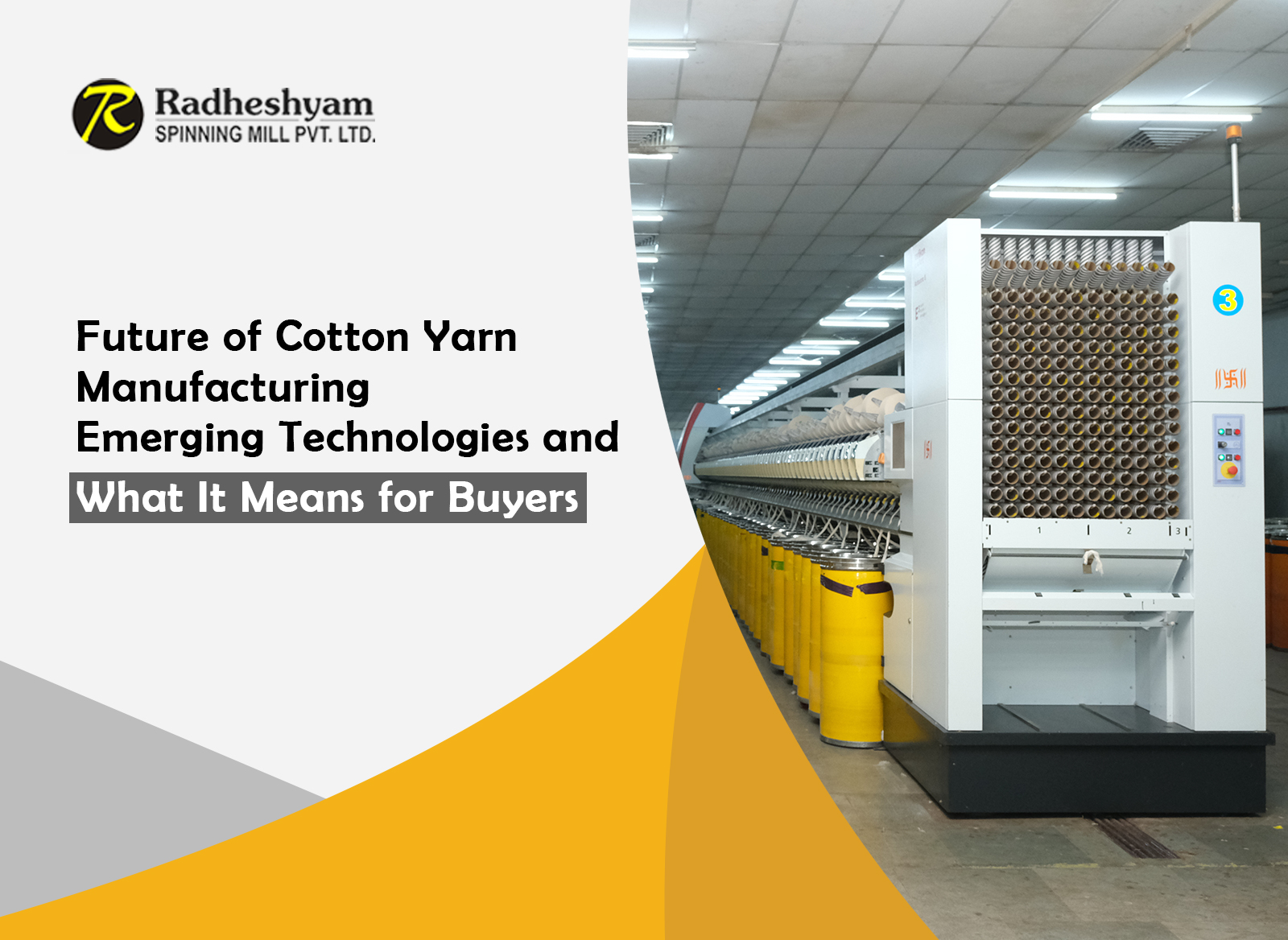
Future of Cotton Yarn Manufacturing Emerging Technologies and What It Means for Buyers
By: Radheshyam Spinning | 13 May, 2026
The textile industry has undergone significant transformations over the years, with cotton yarn manufacturing being a crucial aspect of this sector. As one of the most widely used natural fibers, cotton yarn is a staple in the production of clothing, home textiles, and industrial fabrics. However, the traditional methods of cotton yarn manufacturing are being revolutionized by emerging technologies, paving the way for a more efficient, sustainable, and innovative industry. Radheshyam Spinning Mill, a leading cotton yarn manufacturer, we will delve into the future of cotton yarn manufacturing, exploring the latest trends and technologies that are shaping the industry.
The cotton yarn manufacturing process involves several stages, from ginning and carding to spinning and finishing. Traditional methods have been largely manual, with a significant amount of labor involved. However, with the advent of automation and digital technologies, cotton yarn Radheshyam Spinning Mill is adopting newer, more efficient methods to produce high quality cotton yarn. The use of advanced machinery and software is enabling manufacturers to optimize production processes, reduce waste, and improve product consistency. As a result, buyers can expect to see a significant improvement in the quality and availability of cotton yarn, making it an exciting time for the textile industry.
As we explore the future of cotton yarn manufacturing, it’s essential to consider the impact of emerging technologies on the industry. From artificial intelligence and machine learning to the Internet of Things (IoT) and nanotechnology, these technologies are transforming the way cotton yarn is produced, processed, and consumed. With Radheshyam Spinning Mill at the forefront of this revolution, we will examine the latest developments and innovations in cotton yarn manufacturing, providing insights into what this means for buyers and the industry as a whole.
Advances in Spinning Technology
One of the most significant advancements in cotton yarn manufacturing is the development of new spinning technologies. Traditional spinning methods, such as ring spinning and rotor spinning, have been largely replaced by more efficient and productive methods like air jet spinning and vortex spinning. These newer methods enable manufacturers to produce cotton yarn with improved strength, uniformity, and texture. Additionally, the use of advanced materials and coatings has led to the development of specialized cotton yarns with unique properties, such as moisture wicking, flame retardant, and antibacterial properties. Buyers can now access a wider range of cotton yarns with specific features, making it easier to find the right product for their needs.
Sustainability and Environmental Considerations
The textile industry has faced criticism for its environmental impact, with cotton yarn manufacturing being a significant contributor to water and energy consumption. However, emerging technologies are enabling manufacturers to adopt more sustainable practices, reducing their ecological footprint. Radheshyam Spinning Mill, for example, has implemented energy efficient systems and wastewater treatment facilities to minimize its environmental impact. The use of organic cotton, recycled materials, and eco friendly dyes is also becoming more prevalent, providing buyers with a range of sustainable cotton yarn options. As consumers increasingly demand environmentally responsible products, the adoption of sustainable practices in cotton yarn manufacturing is becoming a key differentiator for manufacturers.
The Role of Artificial Intelligence and Data Analytics
Artificial intelligence (AI) and data analytics are playing a significant role in the transformation of cotton yarn manufacturing. By leveraging machine learning algorithms and real time data, manufacturers can optimize production processes, predict maintenance requirements, and detect quality issues. This enables them to improve product consistency, reduce waste, and enhance overall efficiency. Radheshyam Spinning Mill is utilizing AI powered systems to monitor and control its production processes, ensuring that its cotton yarn meets the highest standards of quality. Buyers can benefit from this increased efficiency, as manufacturers can provide more accurate lead times, improved product availability, and enhanced customer support.
The Future of Cotton Yarn Manufacturing: Trends and Opportunities
As the cotton yarn manufacturing industry continues to evolve, several trends and opportunities are emerging. The increasing demand for sustainable and eco friendly products is driving the development of new cotton yarns with specialized properties. The use of nanotechnology, for example, is enabling manufacturers to create cotton yarns with enhanced strength, durability, and water resistance. Additionally, the growth of e commerce and digital platforms is changing the way buyers interact with manufacturers, providing new opportunities for direct sales, customization, and product development. Radheshyam Spinning Mill is well positioned to capitalize on these trends, with its commitment to innovation, quality, and customer satisfaction.
In conclusion,
The future of cotton yarn manufacturing is exciting and dynamic, with emerging technologies and trends transforming the industry. As a buyer, it’s essential to stay informed about the latest developments and innovations in cotton yarn manufacturing, ensuring that you can access the best products and services for your needs. By partnering with manufacturers like Radheshyam Spinning Mill, you can benefit from their expertise, quality, and commitment to sustainability.
Visit www.radheshyamspinning.com to learn more about their cotton yarn manufacturing capabilities and to explore the possibilities of this rapidly evolving industry. Whether you’re a textile producer, fashion brand, or industrial manufacturer, the future of cotton yarn manufacturing holds much promise, and we invite you to join us on this journey of innovation and discovery.
Recent Posts